The Lament of Autumn Episode 18 — English Subtitles
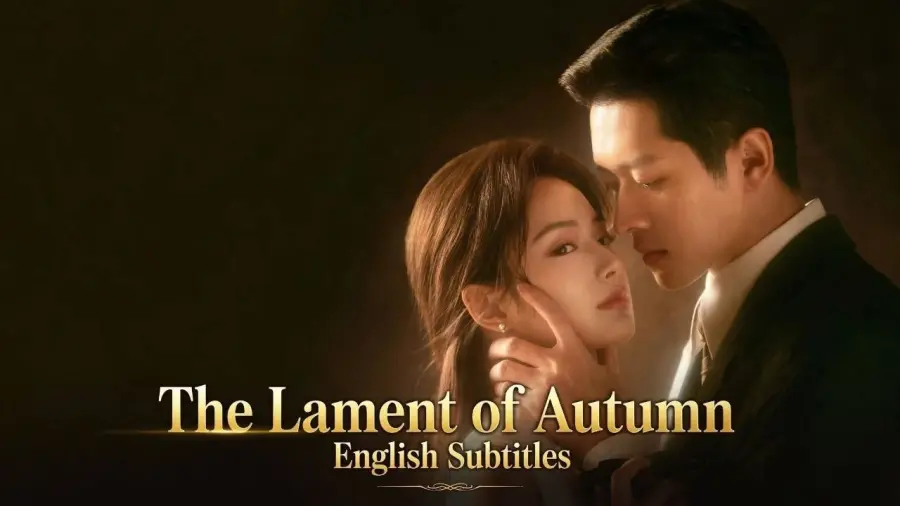
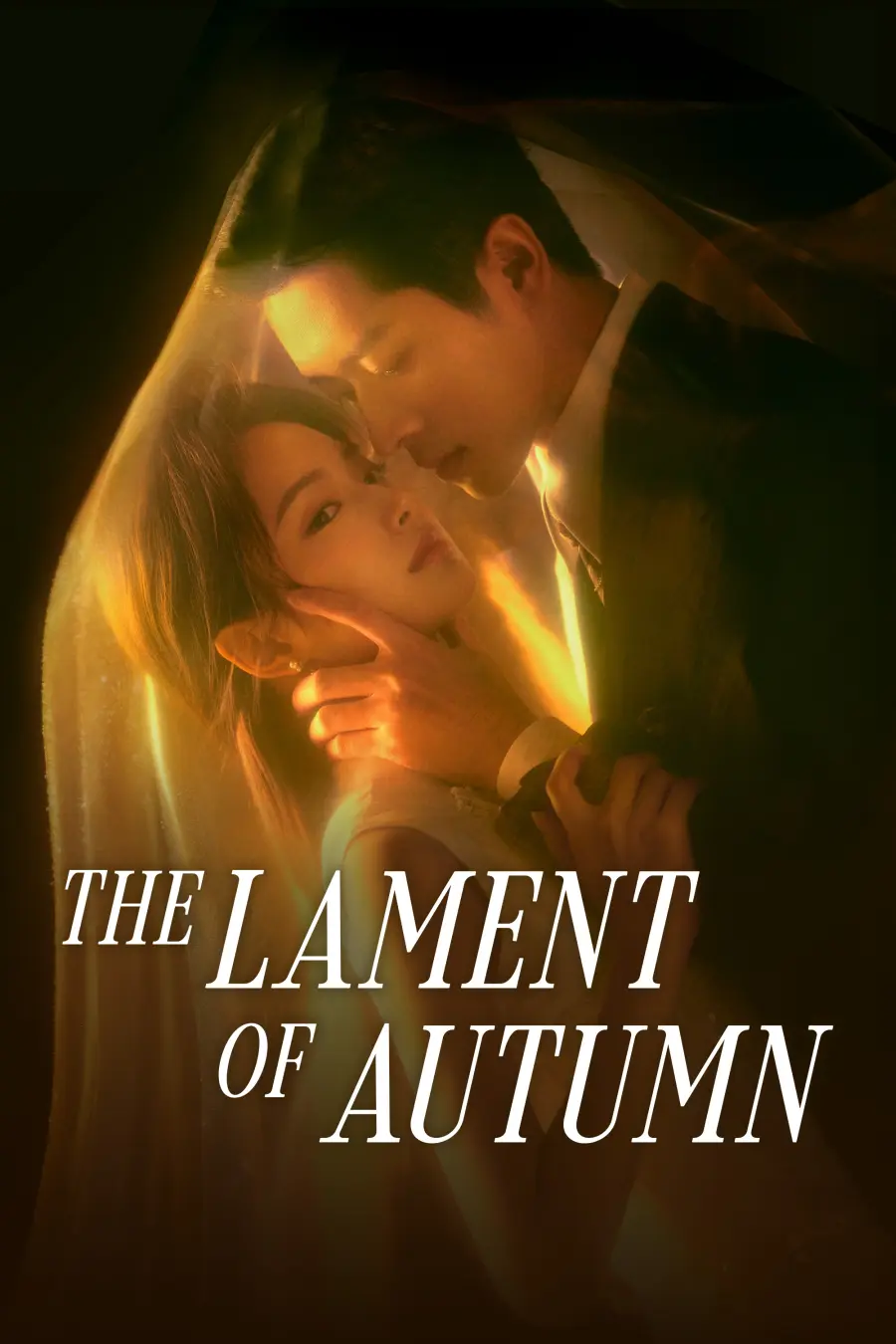
The Lament of Autumn (2026) — Chinese Drama English Subtitles. The Lament of Autumn, also known by its original Chinese title Yu Dian Qiu (玉簟秋), is a Chinese period romance drama set during the turbulent Republican era of the 1920s. Starring Cheng Lei and Xu Ruohan, the series blends romance, political intrigue, family rivalries, suspense, and the devastating consequences of war. Ye Pingjun is a determined young student struggling to support her family and pay for her mother's medical treatment. In search of work, she takes a position at a meeting house in western Hunan. However, her new beginning quickly turns into a nightmare when she becomes entangled in an assassination attempt targeting Yu Changxuan, the fifth son of the powerful Yu family. Wrongfully accused of involvement in the attempted assassination, Pingjun refuses to accept her fate without a fight. She makes a bold bargain with Yu Changxuan: he must discover the real culprit and clear her name within ten days. What begins as a tense investigation brings the two into an unexpected relationship filled with suspicion, challenging encounters, and hidden motives. Yu Changxuan is accustomed to privilege, authority, and getting what he wants. As he investigates the attack and draws closer to Pingjun, his interest in her grows beyond the circumstances that first brought them together. Yet his intentions are not entirely straightforward, and the secrets surrounding powerful families threaten to complicate their developing romance. Set against the political instability and military conflicts of 1920s China, their relationship faces obstacles arising from social differences, personal ambitions, family loyalties, and the struggle for power. As danger grows around them, Pingjun and Changxuan must decide whether their feelings can survive the secrets and conflicts threatening to tear them apart. Adapted from Ling Xi's novel Yu Dian Qiu, The Lament of Autumn combines a slow-building romance with historical atmosphere, mystery, and political drama. Cheng Lei portrays Yu Changxuan, while Xu Ruohan plays Ye Pingjun. Their characters' complicated connection forms the heart of a story about love, courage, trust, and difficult choices during a period of national uncertainty. If you enjoy Chinese historical romance dramas featuring a powerful male lead, a courageous female protagonist, family conspiracies, military conflict, and emotional storytelling, The Lament of Autumn is a series to explore. ⭐ Viki Rating: 9.8/10 (platform rating; subject to change) 🎭 Starring: Cheng Lei and Xu Ruohan 📺 Episodes: 40 listed episodes 🗓️ Premiere Date: October 12, 2026 📡 Original Networks: Hunan Television and Mango TV 🎬 Original Title: 玉簟秋 (Yu Dian Qiu) 🌏 Country: China 🗣️ Original Language: Mandarin Chinese 💬 Subtitles: English and additional languages, depending on platform and region 📚 Adapted From: Yu Dian Qiu by Ling Xi 🎭 Genres: Romance, Period Drama, History, War ⏱️ Episode Duration: Approximately 45–50 minutes
The Lament of Autumn Episode 18 (玉簟秋) continues the intense battlefield crisis surrounding Yu Changxuan and the emotional conflict between Changxuan and Ye Pingjun. After Changxuan's unit is ambushed and its weapons are found to have been sabotaged, the soldiers are forced into a desperate struggle against the pursuing enemy. With their ammunition and firearms no longer reliable, Changxuan and his men must fight at close quarters while attempting to escape. The enemy intends to capture Changxuan alive, making the situation even more dangerous. His soldiers refuse to abandon their commander, but their courage comes at a devastating cost as several men sacrifice their lives to protect him. Back at the Yu family residence, Zhao Baoru spends the night praying for her son's safe return. Yu Zhongquan reminds her that Changxuan is a soldier and that facing danger is part of the life he has chosen, just as it was for the men who came before him. Baoru, however, responds as a mother rather than a commander's wife. She cannot think only about military duty or victory; she wants her son to come home alive. Her anxiety reflects the uncertainty faced by Changxuan's family while news from the front remains frightening. At the battlefield, Sun Xuewu is fatally wounded while protecting Changxuan. Before his death, he gives Changxuan a letter intended for his family, entrusting his commander with the responsibility of ensuring that it reaches its destination. The personal items he leaves behind, including his dice, make his loss especially painful. Yuan Huai also suffers fatal injuries during the retreat. Even as he faces death, he asks Changxuan to deliver his letter and remembers his dream of returning to Nanhuai to grow wheat. His simple wish for a peaceful life stands in sharp contrast to the violence that has taken it away. Changxuan watches as the men who trusted him fall one after another. The soldiers are not merely members of his unit; they are companions who have placed their lives in his hands and imagined futures beyond the battlefield. Yet the retreat leaves him unable to protect everyone. As enemy forces close in, Guan Bao makes a final, desperate decision. Carrying grenades, he advances toward the enemy while singing about his longing for his mother. Changxuan calls after him and tries to stop him, but Guan Bao sacrifices himself in an explosion, taking enemy soldiers with him. His death gives the others a chance to survive, but it adds another unbearable loss to Changxuan's growing grief. The remaining soldiers continue fighting as the enemy presses forward. Exhausted and surrounded, Changxuan clutches the bloodstained letter entrusted to him by Sun Xuewu. The commander who had worked to establish order and confidence in his troops now faces the possibility of dying alongside them. Just as the situation becomes desperate, Gu Ruitong and Li Boren arrive with reinforcements. Their intervention drives back the pursuers and gives Changxuan's surviving men a chance to regroup. The reinforcements then join the counterattack, turning the desperate retreat into a renewed effort to recover the lost position. In Nanhuai, Pingjun hears people discussing the ambush and saying that Changxuan may not survive. The news shocks her so deeply that the vase she is holding falls to the floor. As she gathers the broken pieces, she cuts her hand. Jiang Xueting, who has come to take her out for a meal, notices the injury and offers to have it bandaged. Pingjun refuses his help, still hurt by the revelations surrounding his former Japanese girlfriend, Yuko. Although Jiang says that he has settled the matter and that Yuko has returned to Japan, Pingjun explains that the woman's presence is not the only thing troubling her. What hurts most is that Jiang deceived Yuko and concealed important truths from Pingjun herself. His actions have damaged her trust in him and in the relationship they hoped to build. With Changxuan's fate weighing on her mind, Pingjun finds it increasingly difficult to concentrate on ordinary life. She begins writing plays, turning her worries and emotions into creative work. Her response to the news from the battlefield reveals that, despite the pain and conflict between them, Changxuan's safety still matters deeply to her. The possibility that he may never return forces her to confront feelings she has tried to suppress. Meanwhile, Changxuan and the reinforced troops continue their military campaign, eventually recapturing Luanjiang City after further fierce fighting. Changxuan's return to Nanhuai is greeted as a major victory. Crowds gather to welcome the returning troops, and the Yu household prepares a celebratory dinner. Newspaper reports praise the counterattack and Changxuan's role in recovering the city. When Pingjun hears her colleagues discussing his achievements, she becomes distracted by the news. Her reaction reveals the emotional conflict she cannot easily put aside: she has been trying to distance herself from Changxuan, yet hearing that he has survived and achieved victory affects her profoundly. At the military ceremony, Yu Zhongquan publicly recognizes Changxuan's achievements. He credits him with defeating a much larger Qi Army force and recovering the city, then awards him First-Class Merit and appoints him Deputy Commander of the Yu Army. The soldiers salute their newly promoted commander, celebrating his leadership and courage. However, not everyone appears pleased. Kuang Bingwen, standing behind Changxuan, looks uncomfortable as the promotion strengthens Changxuan's position within the army. His reaction hints at the resentment and rivalry that may continue to develop within the Yu household and its military circle. During the family dinner, Zhao Baoru encourages Yu Zhongquan to offer their son personal praise after his difficult year at the front. Zhongquan acknowledges Changxuan's courage and performance, while family members express concern about his injuries. Yu Qixuan, who usually teases her brother, asks about reports that his left arm was nearly lost. Tao Ziyi also suggests that a doctor examine him. Changxuan, however, does not focus on his own wounds or the honor he has received. Instead, he thinks about the men who did not return. The victory may have strengthened his reputation, but it cannot bring back the soldiers who died under his command. When Baoru raises the subject of Changxuan's planned marriage to Tao Ziyi, he says that this is not the right time to arrange a wedding. He wants to settle the affairs of the fallen soldiers first and ensure that their final wishes are honored. His answer reflects how profoundly the battlefield has changed him. Military success and family expectations now seem secondary to his responsibility toward the men who sacrificed their lives. The family agrees to give him time to recover before returning to the marriage question. Later, Changxuan attempts to speak privately with Tao Ziyi as she prepares to leave. Ziyi fears that he may say something she does not want to hear, so she quickly interrupts and makes an excuse to go. Once inside the car, she breaks down in tears. Her reaction suggests that the unresolved question of their relationship is painful for her, even as Changxuan remains emotionally consumed by the war and its consequences. Changxuan then visits the memorial tablets of the fallen soldiers at Guanyin Pavilion. In front of the memorials, he remembers the futures they had hoped to achieve. Sun Xuewu had looked forward to promotion and a new position; He Dapeng had wanted to train a cavalry company; Yuan Huai had dreamed of owning farmland and growing wheat; and Guan Bao had expressed his longing for his mother through song. These memories transform the victory into a painful reminder of what the men have lost. Changxuan struggles to contain his grief as he holds Sun Xuewu's bloodstained letter. Determined not to let the soldiers' families be forgotten, Changxuan entrusts their final letters to Gu Ruitong and Li Boren. He asks them to carry out the promises made to the fallen men. Guan Bao's mother must be found and supported in her old age. He Dapeng's family must receive compensation appropriate to the position he had been expected to hold, while Yuan Huai's family should be provided with farmland outside the city. Sun Xuewu's family must also be informed through the General Staff, and his service should be properly recognized. Changxuan remains at the memorial after the others leave, unable to leave the memories of his fallen comrades behind. Elsewhere, Pingjun becomes involved in organizing performances in support of resistance to Japan after Japanese soldiers kill two civilians in Changsha. She agrees to write scripts while her colleagues work on arranging venues. The planned performances are intended to encourage a boycott of Japanese goods and support public protest. Her work gives her a way to respond to the violence and instability surrounding the country, even as she struggles with personal worries about Changxuan and Jiang. The story then brings Changxuan and Pingjun into the same space again. Changxuan visits the opera house with officers and soldiers, treating them to a performance after their return from the front. Pingjun is also at the theater as preparations for the patriotic performances continue. The two notice one another from a distance, creating an opportunity for a conversation after the painful separation and the uncertainty of the battlefield. Li Boren notices Pingjun upstairs and encourages Changxuan to approach her. Changxuan refuses to acknowledge his feelings and insists on watching the performance. Li Boren then takes the initiative and brings Pingjun down. Pingjun agrees to come because she has something she wants to thank Changxuan for. However, before she can speak, Changxuan deliberately turns his attention to the stage and praises the performer playing Huang Zhong. He then reprimands Li Boren for bringing someone he considers unrelated to him into his presence. Pingjun quietly withdraws without saying what she came to say. Changxuan's cold behavior wounds Pingjun, but it also exposes his own struggle to conceal his feelings. Li Boren challenges him afterward, pointing out that he still cares about her. Changxuan responds by ordering him never to mention Pingjun again. His words are harsh, yet his actions reveal how difficult it is for him to confront the woman whose choices and presence continue to affect him. The opera-house encounter leaves their relationship unresolved, with neither willing to openly address the feelings that remain between them. A darker development unfolds around Kuang Bingwen. Outside, he overhears two officers mocking him and suggesting that his service has merely helped clear the way for Yu Zhongquan's son to gain power. Their insults portray him as an outsider within the Yu family and reduce his efforts to those of a man working for someone else's benefit. Kuang pretends to be drunk and asks the officers to help him reach his car in a nearby alley. Once they are away from public view, he confronts them, kills them, and burns their bodies. The incident reveals a dangerous side of Kuang's resentment and suggests that his ambitions may push him toward increasingly ruthless actions. Later, Jin Zhongfang finds Changxuan alone and shares a drink with him. Changxuan admits that the battlefield has shattered his earlier confidence in his ability to control events. His soldiers trusted him with their lives, but he was unable to bring all of them home. He questions the purpose of wars in which commanders and political leaders struggle for power while ordinary soldiers pay the price with their lives. Jin acknowledges the tragedy of people fighting and killing one another in internal conflicts. He also observes that Changxuan's grief reflects compassion rather than a desire for greater bloodshed. A commander who understands the human cost of war, Jin suggests, may be better able to serve the people. Changxuan senses that Jin's words may be directed at someone beyond their conversation, but Jin does not explain further. Their discussion leaves Changxuan reflecting on the difference between winning a battle and protecting the lives entrusted to him. His promotion may bring greater authority, but it also brings the burden of remembering the soldiers who died under his command. The episode closes another unsettling chapter in Kuang Bingwen's household. When Kuang returns home, his wife, Yu Jinxuan, remains emotionally distant. He complains that she shows little concern whenever he survives a dangerous campaign. She says she dislikes his drunken behavior, then notices blood on his hand. Kuang dismisses it as a scratch from the evening and claims not to remember how it happened. He asks whether she wants to know what he has been doing outside, but she coldly replies that as long as he behaves properly as a member of the Yu family, she will not interfere in what he chooses to conceal. Her response leaves the tension between them unresolved and hints that Kuang's private activities may remain hidden for now. The Lament of Autumn Episode 18 combines a costly battlefield victory with emotional distance, grief, and growing political danger. Changxuan survives the ambush and returns as a decorated commander, but the deaths of Sun Xuewu, Yuan Huai, Guan Bao, and other soldiers leave him deeply changed. He honors their final wishes and struggles to understand the human cost of war. Pingjun hears of his possible death, worries despite herself, and later faces his deliberate coldness at the opera house. Meanwhile, Kuang Bingwen's violent response to insults exposes a new threat within the military and family power structure. The episode highlights how victory cannot erase loss and how unresolved love, hidden motives, and ambition continue to shape the characters' futures.
Full Episode
The Lament of Autumn Episode 18 (玉簟秋) continues the intense battlefield crisis surrounding Yu Changxuan and the emotional conflict between Changxuan and Ye Pingjun. After Changxuan's unit is ambushed and its weapons are found to have been sabotaged, the soldiers are forced into a desperate struggle against the pursuing enemy. With their ammunition and firearms no longer reliable, Changxuan and his men must fight at close quarters while attempting to escape. The enemy intends to capture Changxuan alive, making the situation even more dangerous. His soldiers refuse to abandon their commander, but their courage comes at a devastating cost as several men sacrifice their lives to protect him. Back at the Yu family residence, Zhao Baoru spends the night praying for her son's safe return. Yu Zhongquan reminds her that Changxuan is a soldier and that facing danger is part of the life he has chosen, just as it was for the men who came before him. Baoru, however, responds as a mother rather than a commander's wife. She cannot think only about military duty or victory; she wants her son to come home alive. Her anxiety reflects the uncertainty faced by Changxuan's family while news from the front remains frightening. At the battlefield, Sun Xuewu is fatally wounded while protecting Changxuan. Before his death, he gives Changxuan a letter intended for his family, entrusting his commander with the responsibility of ensuring that it reaches its destination. The personal items he leaves behind, including his dice, make his loss especially painful. Yuan Huai also suffers fatal injuries during the retreat. Even as he faces death, he asks Changxuan to deliver his letter and remembers his dream of returning to Nanhuai to grow wheat. His simple wish for a peaceful life stands in sharp contrast to the violence that has taken it away. Changxuan watches as the men who trusted him fall one after another. The soldiers are not merely members of his unit; they are companions who have placed their lives in his hands and imagined futures beyond the battlefield. Yet the retreat leaves him unable to protect everyone. As enemy forces close in, Guan Bao makes a final, desperate decision. Carrying grenades, he advances toward the enemy while singing about his longing for his mother. Changxuan calls after him and tries to stop him, but Guan Bao sacrifices himself in an explosion, taking enemy soldiers with him. His death gives the others a chance to survive, but it adds another unbearable loss to Changxuan's growing grief. The remaining soldiers continue fighting as the enemy presses forward. Exhausted and surrounded, Changxuan clutches the bloodstained letter entrusted to him by Sun Xuewu. The commander who had worked to establish order and confidence in his troops now faces the possibility of dying alongside them. Just as the situation becomes desperate, Gu Ruitong and Li Boren arrive with reinforcements. Their intervention drives back the pursuers and gives Changxuan's surviving men a chance to regroup. The reinforcements then join the counterattack, turning the desperate retreat into a renewed effort to recover the lost position. In Nanhuai, Pingjun hears people discussing the ambush and saying that Changxuan may not survive. The news shocks her so deeply that the vase she is holding falls to the floor. As she gathers the broken pieces, she cuts her hand. Jiang Xueting, who has come to take her out for a meal, notices the injury and offers to have it bandaged. Pingjun refuses his help, still hurt by the revelations surrounding his former Japanese girlfriend, Yuko. Although Jiang says that he has settled the matter and that Yuko has returned to Japan, Pingjun explains that the woman's presence is not the only thing troubling her. What hurts most is that Jiang deceived Yuko and concealed important truths from Pingjun herself. His actions have damaged her trust in him and in the relationship they hoped to build. With Changxuan's fate weighing on her mind, Pingjun finds it increasingly difficult to concentrate on ordinary life. She begins writing plays, turning her worries and emotions into creative work. Her response to the news from the battlefield reveals that, despite the pain and conflict between them, Changxuan's safety still matters deeply to her. The possibility that he may never return forces her to confront feelings she has tried to suppress. Meanwhile, Changxuan and the reinforced troops continue their military campaign, eventually recapturing Luanjiang City after further fierce fighting. Changxuan's return to Nanhuai is greeted as a major victory. Crowds gather to welcome the returning troops, and the Yu household prepares a celebratory dinner. Newspaper reports praise the counterattack and Changxuan's role in recovering the city. When Pingjun hears her colleagues discussing his achievements, she becomes distracted by the news. Her reaction reveals the emotional conflict she cannot easily put aside: she has been trying to distance herself from Changxuan, yet hearing that he has survived and achieved victory affects her profoundly. At the military ceremony, Yu Zhongquan publicly recognizes Changxuan's achievements. He credits him with defeating a much larger Qi Army force and recovering the city, then awards him First-Class Merit and appoints him Deputy Commander of the Yu Army. The soldiers salute their newly promoted commander, celebrating his leadership and courage. However, not everyone appears pleased. Kuang Bingwen, standing behind Changxuan, looks uncomfortable as the promotion strengthens Changxuan's position within the army. His reaction hints at the resentment and rivalry that may continue to develop within the Yu household and its military circle. During the family dinner, Zhao Baoru encourages Yu Zhongquan to offer their son personal praise after his difficult year at the front. Zhongquan acknowledges Changxuan's courage and performance, while family members express concern about his injuries. Yu Qixuan, who usually teases her brother, asks about reports that his left arm was nearly lost. Tao Ziyi also suggests that a doctor examine him. Changxuan, however, does not focus on his own wounds or the honor he has received. Instead, he thinks about the men who did not return. The victory may have strengthened his reputation, but it cannot bring back the soldiers who died under his command. When Baoru raises the subject of Changxuan's planned marriage to Tao Ziyi, he says that this is not the right time to arrange a wedding. He wants to settle the affairs of the fallen soldiers first and ensure that their final wishes are honored. His answer reflects how profoundly the battlefield has changed him. Military success and family expectations now seem secondary to his responsibility toward the men who sacrificed their lives. The family agrees to give him time to recover before returning to the marriage question. Later, Changxuan attempts to speak privately with Tao Ziyi as she prepares to leave. Ziyi fears that he may say something she does not want to hear, so she quickly interrupts and makes an excuse to go. Once inside the car, she breaks down in tears. Her reaction suggests that the unresolved question of their relationship is painful for her, even as Changxuan remains emotionally consumed by the war and its consequences. Changxuan then visits the memorial tablets of the fallen soldiers at Guanyin Pavilion. In front of the memorials, he remembers the futures they had hoped to achieve. Sun Xuewu had looked forward to promotion and a new position; He Dapeng had wanted to train a cavalry company; Yuan Huai had dreamed of owning farmland and growing wheat; and Guan Bao had expressed his longing for his mother through song. These memories transform the victory into a painful reminder of what the men have lost. Changxuan struggles to contain his grief as he holds Sun Xuewu's bloodstained letter. Determined not to let the soldiers' families be forgotten, Changxuan entrusts their final letters to Gu Ruitong and Li Boren. He asks them to carry out the promises made to the fallen men. Guan Bao's mother must be found and supported in her old age. He Dapeng's family must receive compensation appropriate to the position he had been expected to hold, while Yuan Huai's family should be provided with farmland outside the city. Sun Xuewu's family must also be informed through the General Staff, and his service should be properly recognized. Changxuan remains at the memorial after the others leave, unable to leave the memories of his fallen comrades behind. Elsewhere, Pingjun becomes involved in organizing performances in support of resistance to Japan after Japanese soldiers kill two civilians in Changsha. She agrees to write scripts while her colleagues work on arranging venues. The planned performances are intended to encourage a boycott of Japanese goods and support public protest. Her work gives her a way to respond to the violence and instability surrounding the country, even as she struggles with personal worries about Changxuan and Jiang. The story then brings Changxuan and Pingjun into the same space again. Changxuan visits the opera house with officers and soldiers, treating them to a performance after their return from the front. Pingjun is also at the theater as preparations for the patriotic performances continue. The two notice one another from a distance, creating an opportunity for a conversation after the painful separation and the uncertainty of the battlefield. Li Boren notices Pingjun upstairs and encourages Changxuan to approach her. Changxuan refuses to acknowledge his feelings and insists on watching the performance. Li Boren then takes the initiative and brings Pingjun down. Pingjun agrees to come because she has something she wants to thank Changxuan for. However, before she can speak, Changxuan deliberately turns his attention to the stage and praises the performer playing Huang Zhong. He then reprimands Li Boren for bringing someone he considers unrelated to him into his presence. Pingjun quietly withdraws without saying what she came to say. Changxuan's cold behavior wounds Pingjun, but it also exposes his own struggle to conceal his feelings. Li Boren challenges him afterward, pointing out that he still cares about her. Changxuan responds by ordering him never to mention Pingjun again. His words are harsh, yet his actions reveal how difficult it is for him to confront the woman whose choices and presence continue to affect him. The opera-house encounter leaves their relationship unresolved, with neither willing to openly address the feelings that remain between them. A darker development unfolds around Kuang Bingwen. Outside, he overhears two officers mocking him and suggesting that his service has merely helped clear the way for Yu Zhongquan's son to gain power. Their insults portray him as an outsider within the Yu family and reduce his efforts to those of a man working for someone else's benefit. Kuang pretends to be drunk and asks the officers to help him reach his car in a nearby alley. Once they are away from public view, he confronts them, kills them, and burns their bodies. The incident reveals a dangerous side of Kuang's resentment and suggests that his ambitions may push him toward increasingly ruthless actions. Later, Jin Zhongfang finds Changxuan alone and shares a drink with him. Changxuan admits that the battlefield has shattered his earlier confidence in his ability to control events. His soldiers trusted him with their lives, but he was unable to bring all of them home. He questions the purpose of wars in which commanders and political leaders struggle for power while ordinary soldiers pay the price with their lives. Jin acknowledges the tragedy of people fighting and killing one another in internal conflicts. He also observes that Changxuan's grief reflects compassion rather than a desire for greater bloodshed. A commander who understands the human cost of war, Jin suggests, may be better able to serve the people. Changxuan senses that Jin's words may be directed at someone beyond their conversation, but Jin does not explain further. Their discussion leaves Changxuan reflecting on the difference between winning a battle and protecting the lives entrusted to him. His promotion may bring greater authority, but it also brings the burden of remembering the soldiers who died under his command. The episode closes another unsettling chapter in Kuang Bingwen's household. When Kuang returns home, his wife, Yu Jinxuan, remains emotionally distant. He complains that she shows little concern whenever he survives a dangerous campaign. She says she dislikes his drunken behavior, then notices blood on his hand. Kuang dismisses it as a scratch from the evening and claims not to remember how it happened. He asks whether she wants to know what he has been doing outside, but she coldly replies that as long as he behaves properly as a member of the Yu family, she will not interfere in what he chooses to conceal. Her response leaves the tension between them unresolved and hints that Kuang's private activities may remain hidden for now. The Lament of Autumn Episode 18 combines a costly battlefield victory with emotional distance, grief, and growing political danger. Changxuan survives the ambush and returns as a decorated commander, but the deaths of Sun Xuewu, Yuan Huai, Guan Bao, and other soldiers leave him deeply changed. He honors their final wishes and struggles to understand the human cost of war. Pingjun hears of his possible death, worries despite herself, and later faces his deliberate coldness at the opera house. Meanwhile, Kuang Bingwen's violent response to insults exposes a new threat within the military and family power structure. The episode highlights how victory cannot erase loss and how unresolved love, hidden motives, and ambition continue to shape the characters' futures.
The Lament of Autumn (2026) — Chinese Drama English Subtitles. The Lament of Autumn, also known by its original Chinese title Yu Dian Qiu (玉簟秋), is a Chinese period romance drama set during the turbulent Republican era of the 1920s. Starring Cheng Lei and Xu Ruohan, the series blends romance, political intrigue, family rivalries, suspense, and the devastating consequences of war. Ye Pingjun is a determined young student struggling to support her family and pay for her mother's medical treatment. In search of work, she takes a position at a meeting house in western Hunan. However, her new beginning quickly turns into a nightmare when she becomes entangled in an assassination attempt targeting Yu Changxuan, the fifth son of the powerful Yu family. Wrongfully accused of involvement in the attempted assassination, Pingjun refuses to accept her fate without a fight. She makes a bold bargain with Yu Changxuan: he must discover the real culprit and clear her name within ten days. What begins as a tense investigation brings the two into an unexpected relationship filled with suspicion, challenging encounters, and hidden motives. Yu Changxuan is accustomed to privilege, authority, and getting what he wants. As he investigates the attack and draws closer to Pingjun, his interest in her grows beyond the circumstances that first brought them together. Yet his intentions are not entirely straightforward, and the secrets surrounding powerful families threaten to complicate their developing romance. Set against the political instability and military conflicts of 1920s China, their relationship faces obstacles arising from social differences, personal ambitions, family loyalties, and the struggle for power. As danger grows around them, Pingjun and Changxuan must decide whether their feelings can survive the secrets and conflicts threatening to tear them apart. Adapted from Ling Xi's novel Yu Dian Qiu, The Lament of Autumn combines a slow-building romance with historical atmosphere, mystery, and political drama. Cheng Lei portrays Yu Changxuan, while Xu Ruohan plays Ye Pingjun. Their characters' complicated connection forms the heart of a story about love, courage, trust, and difficult choices during a period of national uncertainty. If you enjoy Chinese historical romance dramas featuring a powerful male lead, a courageous female protagonist, family conspiracies, military conflict, and emotional storytelling, The Lament of Autumn is a series to explore. ⭐ Viki Rating: 9.8/10 (platform rating; subject to change) 🎭 Starring: Cheng Lei and Xu Ruohan 📺 Episodes: 40 listed episodes 🗓️ Premiere Date: October 12, 2026 📡 Original Networks: Hunan Television and Mango TV 🎬 Original Title: 玉簟秋 (Yu Dian Qiu) 🌏 Country: China 🗣️ Original Language: Mandarin Chinese 💬 Subtitles: English and additional languages, depending on platform and region 📚 Adapted From: Yu Dian Qiu by Ling Xi 🎭 Genres: Romance, Period Drama, History, War ⏱️ Episode Duration: Approximately 45–50 minutes